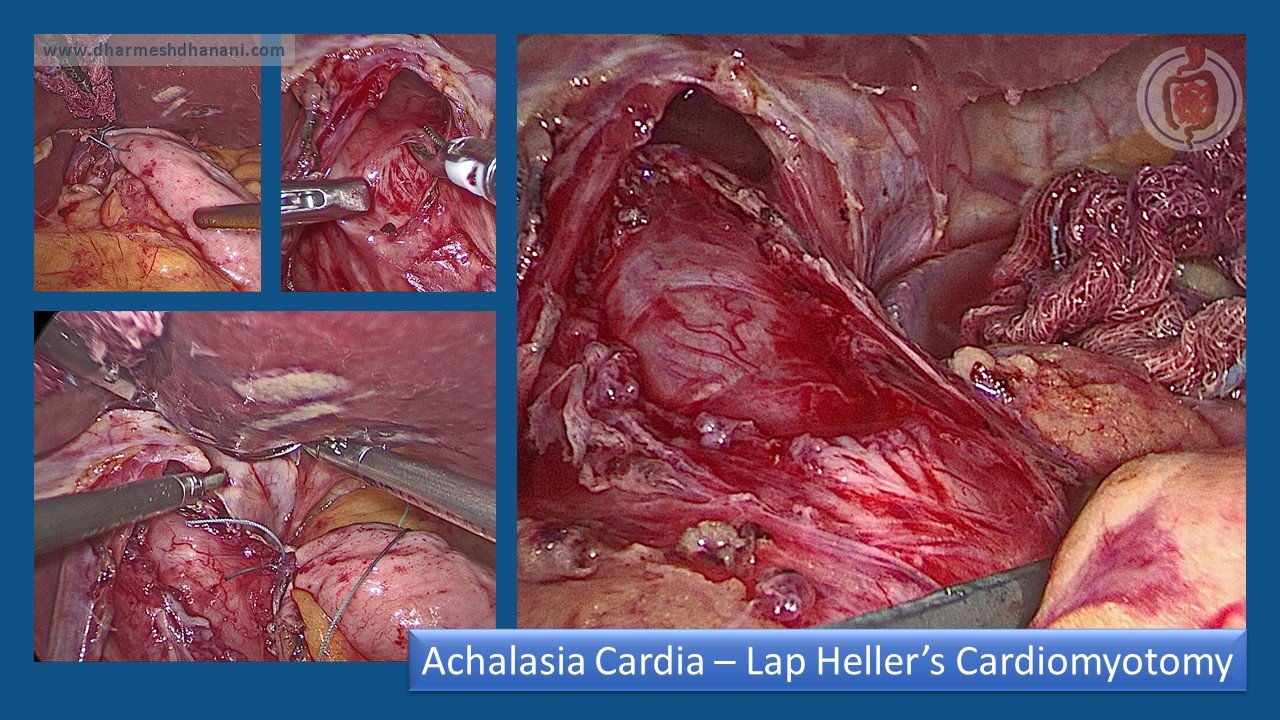
A hiatal hernia occurs when the upper part of your stomach bulges through the large muscle separating your abdomen and chest (diaphragm). A small hiatal hernia usually doesn’t cause problems.
SYMPTOMS
Heartburn
Regurgitation of food or liquids into the mouth
Backflow of stomach acid into the esophagus (acid reflux)
Difficulty swallowing
Chest or abdominal pain
Shortness of breath
Vomiting of blood or passing of black stools, which may indicate gastrointestinal bleeding
Abdominal Pain
Fever
Nausea
Vomitting
CAUSES
Age-related changes in your diaphragm
Injury to the area, for example, after trauma or certain types of surgery
Being born with an unusually large hiatus
Persistent and intense pressure on the surrounding muscles, such as while coughing, vomiting, straining during a bowel movement, exercising or lifting heavy objects
Risk Factors – Age >50 yr, Obese
DIAGNOSIS
Barium Swallow
Upper endoscopy
Esophageal manometry & PH Study
Blood ix
USG Abdomen
CT Scan
TREATMENT
Medications – Antacids that neutralize stomach acid – Medications to reduce acid production – Medications that block acid production and heal the esophagus
Surgery – Laparoscopic Fundoplication
LIFE STYLE CHANGES
Making a few lifestyle changes may help control the symptoms and signs caused by a hiatal hernia.
Eat several smaller meals throughout the day rather than a few large meals
Avoid foods that trigger heartburn, such as fatty or fried foods, tomato sauce, alcohol, chocolate, mint, garlic, onion, and caffeine
Avoid lying down after a meal or eating late in the day
Eat at least two to three hours before bedtime.
Maintain a healthy weight
Stop smoking
Elevate the head of your bed 6 inches (about 15 centimeters)